Saving a million lives is the remarkable ambition of Randal Foundation Founder and Chairman, Dr…
“I believed in serving humanity” | 10 years on from the Ebola crisis in Sierra Leone
When Ebola hit Sierra Leone in early 2014, it reached one of the poorest countries in the world. The limited healthcare infrastructure and workforce had already been devastated by a decade-long civil war that had killed upwards of 70,000 people, maimed a further 20,000 and left two million displaced.
Healthcare workers were among the most vulnerable frontline workers, and medical facilities across the country shut down over fear of contagion.
Located just outside the capital of Freetown, EMERGENCY’s Surgical and Paediatric Centres in Goderich was the only hospital complex in Sierra Leone to remain fully operational throughout the epidemic.
During Ebola, the normal healthcare system had collapsed, and public trust was lost. But if a patient met the admission criteria, we accepted them. The EMERGENCY hospital had a major impact by continuing to offer care and by restoring hope in such a dark time.”
Freda M. Kangoma was a Nurse at EMERGENCY’s Ebola Treatment and Holding Centre in Lakka, and is currently Nurse Team Leader at the Goderich Surgical Centre
Ensuring the Global Standard of Care
In coordination with the Sierra Leone Ministry of Health, EMERGENCY responded to the epidemic by:
- triaging cases in the Waterloo refugee camp
- opening an Ebola Treatment Centre in Lakka → later converted into a holding and isolation centre
- opening a 100-bed Ebola Treatment Centre in Goderich equipped with a ventilated ICU
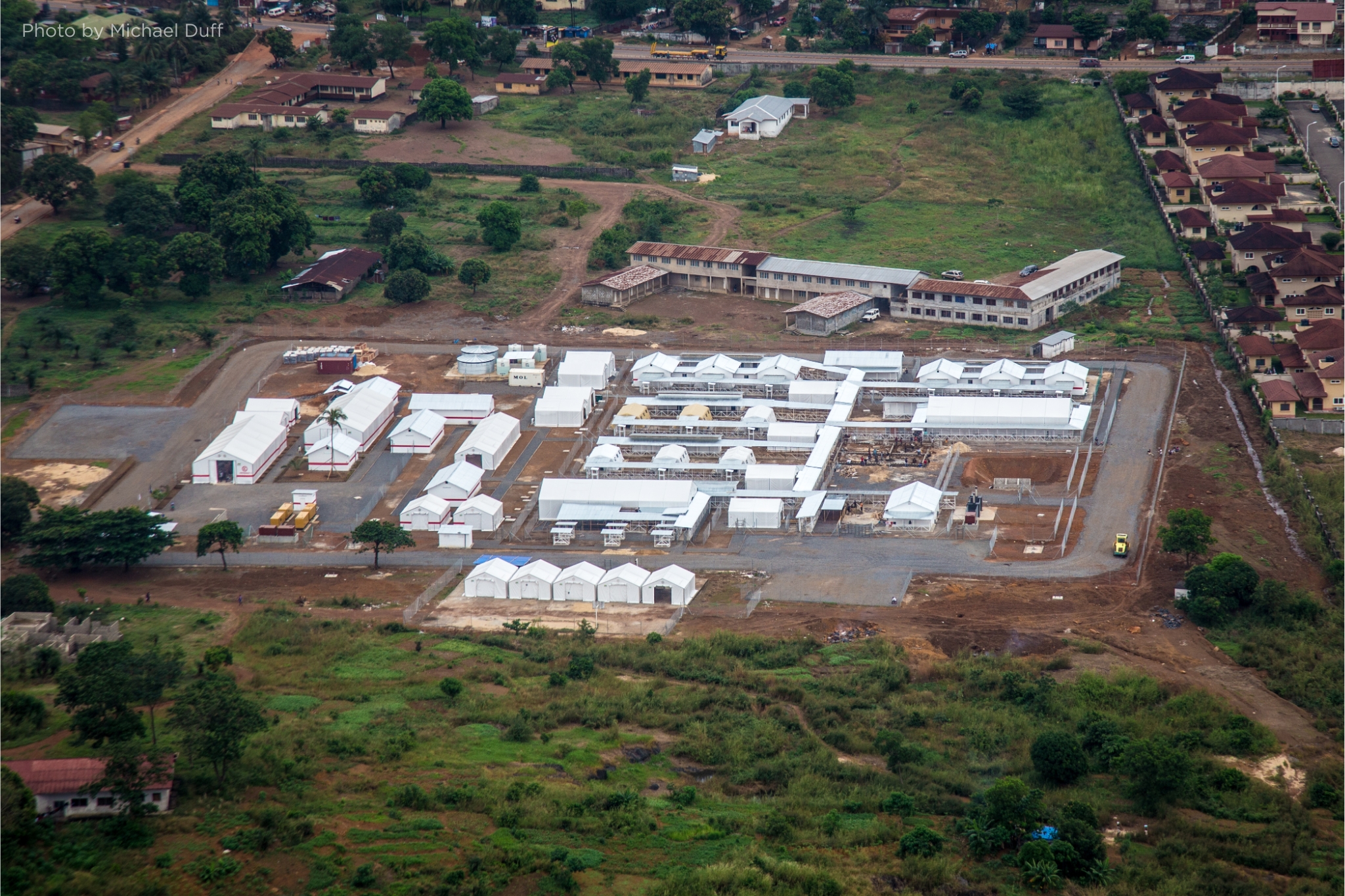
As the only facility of its kind for Ebola patients in West Africa, the Goderich facility was among the first concrete steps taken toward guaranteeing equal treatment of infected people, regardless of their country of origin.
The facilities isolated hundreds of suspected Ebola cases, admitting more than 200 patients for treatment, of whom around 50% survived.
I worked exclusively with Ebola patients. It was extremely challenging for clinicians, who had little or no curative options beyond organ support in intensive care. But many international health workers who contracted Ebola were evacuated and admitted to ICU: EMERGENCY was committed to providing that global standard of care within Sierra Leone itself.”
Dr Gina Portella, Medical Coordinator in Sierra Leone, and current Medical Director
Monjama Musa was among the patients admitted to EMERGENCY’s Ebola Treatment Centre in Lakka.
“After showing symptoms, I spent time in the isolation tent. I was then transferred to Lakka for treatment. I lost relatives in the red zone, but I was lucky: I survived. Two months after my recovery, I applied for a job,” she says.
Monjama joined EMERGENCY as a cleaner while the epidemic was still ongoing. Today, she continues to work at the Goderich Surgical Centre.
“As an Ebola survivor, I faced a lot of stigma. While I was still in hospital, we lost our home, our jobs. We survivors stay in touch; life has been hard for most of them. EMERGENCY accepted me when others would not, and I had hope again.”
A Continuous Support Through the Ebola Crisis
EMERGENCY’s facilities continued to treat infectious diseases and surgical emergencies no longer being dealt with by public health facilities, with many patients presenting symptoms similar to Ebola. To increase the number of available beds, even the patient accommodation block was converted into an additional ward.
By November 2015, when the country was first declared Ebola-free, EMERGENCY’s Surgical and Paediatric Centres in Goderich had admitted over 6,100 non-Ebola patients – an average of almost 10 per day.
In Lakka, our main focus was treating Ebola cases, but we also managed other conditions such as malaria, typhoid, cholera, and injuries. If a patient met the admission criteria, we accepted them. It was extremely difficult and emotional, but I felt continuing to work was both a moral and professional duty to help my patients and my country. I believed in serving humanity: that’s our calling as healthcare workers.”
Freda M. Kangoma, Nurse at the Lakka Ebola Treatment and Holding Centre, current Nurse in Goderich
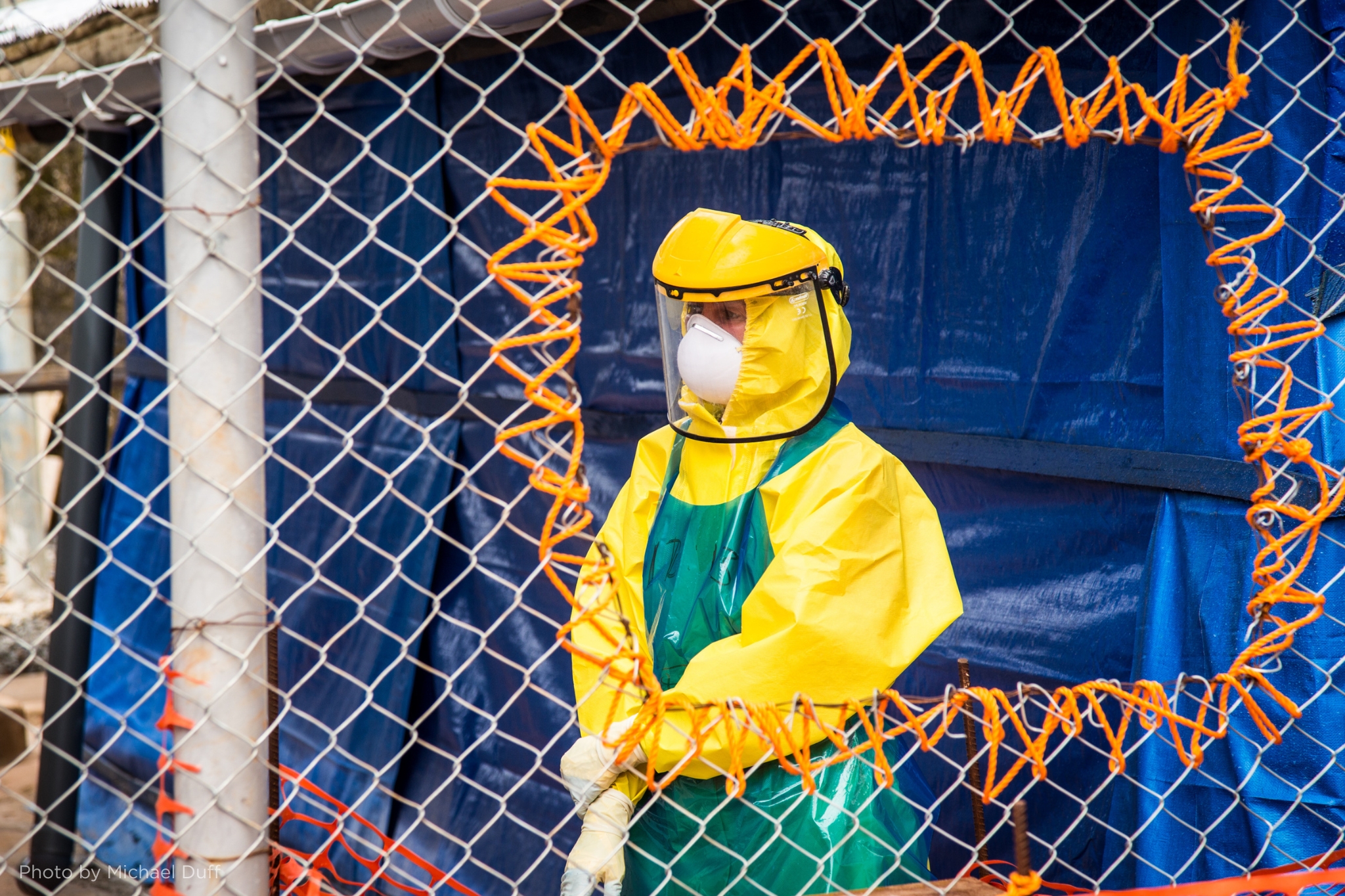
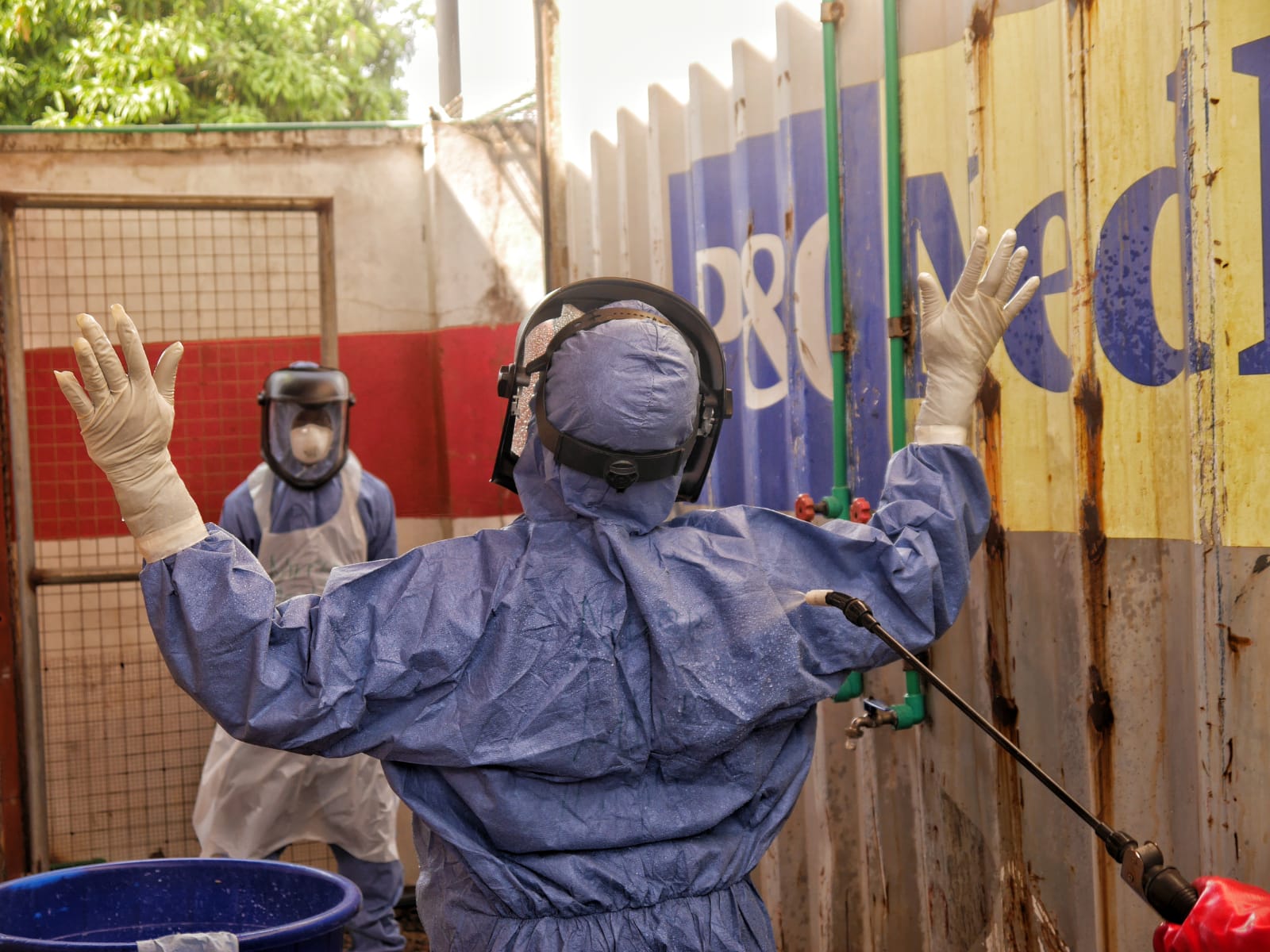
It was frightening. Accepting a frontline role meant understanding that you could get Ebola at any moment. The dressing procedures were crucial for safety, and required full attention to every detail. I had to instruct everyone, even EMERGENCY’s founder Dr Gino Strada when he wanted to enter the tent in Lakka. We followed every step carefully: it was these strict protocols that meant we could continue providing care.”
Jacob H. Macauley, Red Zone PPE training supervisor, current Deputy Logistics Manager in Goderich
I worked in the red zone of the newly built Isolation and Treatment Centre. It was very different, no surgeries were performed, we treated only patients who were infected with Ebola. They were scared and had many questions about the disease and what would happen next. That period of time was really tough, it is still difficult for me to think about even now. But the hospital had a great impact: it saved lives, and provided opportunities for our people by hiring staff during such a difficult time. And today, we are providing access to care for those who would otherwise have no options.”
Abubakarr S. Kargbo, Nurse at the Ebola Treatment Centre in Goderich, current Nurse in Goderich
Sierra Leone, 10 Years On
By March 2016, the WHO officially declared Sierra Leone Ebola-free, after completing a mandatory monitoring period. The epidemic was over – but the memories of those impacted by the virus will never fade:
“I’ll never forget a young woman named Mari, about 18 years old, who arrived in extremely critical condition,” says Dr Portella. “She was the first patient on whom we performed invasive procedures. We took the risk, and she survived. Four years later, I met her again – she was healthy, and had a baby.”
Ten years on, Sierra Leone is still one of the poorest countries in the world, and medical needs in the country remain immense. The Goderich Surgical Centre serves as the main trauma surgery centre for the entire country, and runs the only dedicated treatment programme for burns caused by accidental ingestion of caustic soda, a major public health concern.
We will continue to provide high-quality care, completely free of charge, to the people of Sierra Leone.
Related Posts